
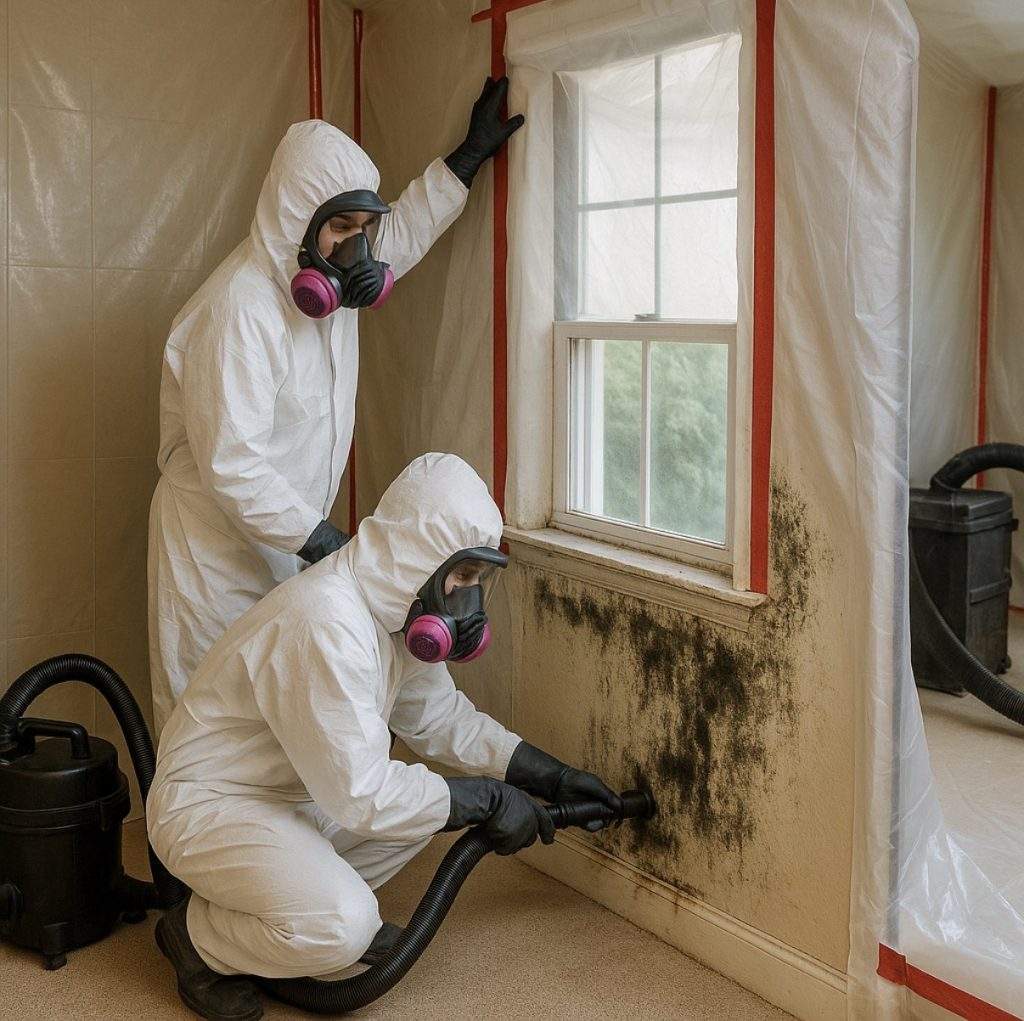
Whether you live in a historic brick home in Reading or a farmhouse near Lancaster, moisture problems can silently lead to mold growth that won’t just “dry up” or disappear. Understanding what proper mold abatement should include, and why it matters even more in a state like Pennsylvania, where no official mold remediation licensing or regulations exist, is key to protecting your family’s health and your home’s long-term value.
1. Moisture: The Real Mold Trigger
Mold spores are everywhere, but they only grow when moisture and organic material combine. In Berks and Lancaster Counties, older basements, crawlspaces, and attics often trap humidity or develop leaks that make perfect breeding grounds for mold. Without addressing the source of moisture, mold will always come back, no matter how much you clean or spray.
2. Mold Isn’t Always Visible
Those black spots on drywall are just the surface clues. Mold often hides inside walls, under carpets, or in HVAC systems. Watch for: Musty odors in basements, attics, or near vents; bubbling paint, stains, or past flooding; unexplained coughing, congestion, or headaches; dust buildup around air returns or vents. Professional air and surface testing can confirm whether spores are circulating through your home and pinpoint hidden moisture sources.
3. What Proper Mold Abatement Should Include
Because Pennsylvania doesn’t require certification or licensing for mold contractors, it’s up to the homeowner to choose a qualified, certified company that follows recognized standards such as IICRC S520 or EPA guidelines. A proper remediation process should always include:
- Moisture Source Identification and Correction – Fixing leaks, drainage, or humidity issues before removal begins.
- Containment and Negative Air Pressure – Using plastic barriers and HEPA filtration to keep spores from spreading.
- HEPA Air Filtration and Cleaning – Safely removing or cleaning affected materials using vacuums and antimicrobial solutions.
- Post-Remediation Verification – Air sampling or surface testing ensures the area meets cleanliness standards.
- Detailed Documentation – Written reports and photos provide proof for insurance or real-estate records.
Choosing a company that skips containment or moisture correction means you’ll likely face mold again within months.
4. Why You Shouldn’t DIY Mold Remediation
It’s tempting to try and scrub away visible mold yourself, but surface cleaning alone doesn’t solve the problem. Mold is a symptom of an underlying issue, most often hidden moisture or leaks, and unless that source is identified and corrected, the problem will return.
Even small patches can release millions of microscopic spores into the air when disturbed. Without professional containment, HEPA filtration, and protective equipment, you can unknowingly spread contamination to other areas of your home or HVAC system.
- Professional remediation teams are trained to:
- Diagnose the cause of mold growth (roof leaks, foundation cracks, humidity imbalance, etc.)
- Use containment barriers and negative air machines to prevent spores from spreading
- Safely remove and dispose of contaminated materials while protecting clean areas
- Verify air quality and dryness before completing the project
Proper remediation ensures the root cause is fixed, contamination is safely removed, and your indoor air remains healthy for your family.
5. Prevention: The Best Long-Term Strategy
Once mold is removed, keeping it from returning is all about moisture control: Maintain indoor humidity below 55%; use dehumidifiers in basements and crawlspaces; fix roof leaks, plumbing, and foundation cracks promptly; keep gutters and downspouts clear and directing water away from the foundation; dry any wet materials within 24–48 hours after a spill or storm.
6. Why It Matters
Mold isn’t just an eyesore—it’s an indicator of an environmental imbalance in your home. Chronic exposure can trigger allergies, asthma, and respiratory irritation. For homeowners, untreated mold can reduce property value, delay closings, or create insurance disputes. Proper remediation isn’t about killing what’s visible; it’s about correcting the moisture problem, safely removing contamination, and restoring indoor air quality.
7. Take Action Early
If you suspect mold: schedule a professional inspection to identify the source; request a written remediation plan before work begins; and keep photos and documentation for your property or insurance records.
Final Thoughts
Mold doesn’t just go away on its own. In Pennsylvania, where there are no mold remediation licensing requirements, homeowners need to demand proper abatement procedures that meet national standards. Eliminating moisture and verifying that cleanup was done correctly protects your health, your home, and your peace of mind.
At Karl Environmental Group, we specialize in comprehensive mold inspection, testing, and remediation. Our certified professionals follow EPA and IICRC S520 standards for containment, air filtration, and documentation, ensuring your home or business is truly clean, dry, and safe.
Share this article:


